For the body, rest isn’t doing nothing; it’s when the most important work begins. When we rest properly, the body shifts out of survival mode and into...
We tend to think of rest as the absence of effort. But pausing or taking a break is not a luxury, it is a necessity. For the body, rest isn’t doing nothing; it’s when the most important work begins. When we rest properly, the body shifts out of survival mode and into repair.
In yogic terms, we have two modes of functioning: the solar, when we are active and outward-facing, and the lunar, when we naturally turn inward to renew. These modes are known as Pingala (solar) and Ida (lunar), and they correspond to the sympathetic and parasympathetic nervous systems.
Let’s explore how this works:
Rest and the Nervous System: Learning to Shift Gears
During the day, when you are alert and engaged, the solar mode or sympathetic nervous system is dominant. This system helps the body cope with the demands of the outer world. It mobilises energy, sharpens focus, and prepares you to act. While this mode is essential, the body is not designed to remain switched on all the time.
When you shift into the passive, lunar mode, the parasympathetic nervous system takes the lead. This system supports calming, digestion, repair, and restoration. Heart rate slows, muscles soften, and the conditions for revitalisation are created.
The vagus nerve plays a key role in moving between these two states. Vagal tone refers to how responsive this system is — how easily the body can transition from stress into relaxation. With healthy vagal tone, the nervous system settles efficiently. With lower vagal tone, the body may remain on alert even during periods of rest.
This is why some people rest but don’t feel refreshed. In yoga, these two states are reflected in the breath: the right nostril is associated with sympathetic activity, and the left with parasympathetic activity. Through breath work or pranayama, you learn how to shift gears between these states more smoothly, actively influencing the physiology so your body can respond appropriately rather than remain stuck in one mode.

Rest as Metabolic Medicine
When life feels demanding, the body adapts by prioritising the fast need for energy. Blood sugar rises more quickly, digestion slows, inflammation creeps in. These are signs that your body is trying to protect itself.
Rest changes the priority. In a rested state, the body becomes more efficient. Metabolism is optimised, energy is used wisely and the gut receives more blood flow. This allows digestion to improve and the beneficial bacteria thrive. The gut like the rest of the body, functions best when the nervous system is calm and not rushed.
The immune system also carries out much of its repair during rest. Periods of deep rest reduce background inflammation and strengthen immune regulation and memory. This is why prolonged stress so often appears as frequent illness or slower recovery.
Yoga emphasizes the importance of intentionally creating pauses throughout the day. Eating mindfully at mealtimes, slowing down, disengaging from distraction, and allowing the senses to focus on nourishment gives the body time to properly assimilate food. In the same way, winding down at the end of the day allows the body to decelerate and prepare for relaxation and rest.
Slowing down does not simply conserve energy, it teaches the body how to use its resources more wisely; supporting metabolism, digestion, and immunity in ways that constant effort never can.
Learn more about our yoga programmes here
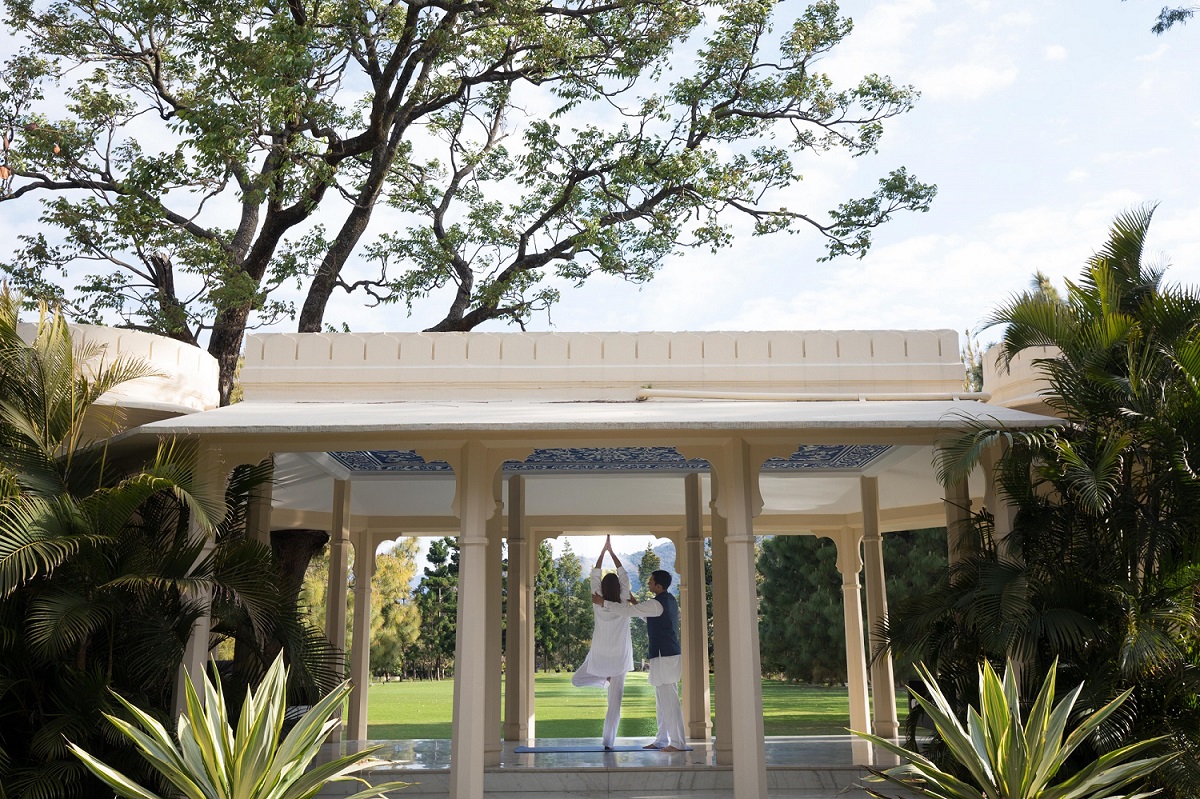
Circadian Rhythm and Sleep Architecture
Your body keeps time through light and darkness, movement and stillness. This internal rhythm helps regulate when you feel alert and when you feel ready to sleep. Consistently slowing down after dark and at regular times helps you follow the circadian rhythm, allowing your body to move into recovery more easily.
Sleep itself has structure. Through the night, the brain moves through cycles of lighter and deeper sleep. Early stages support physical repair and immune function, while later stages process emotion and memory. Stress and constant stimulation reduce its depth, leaving the body present for rest but not renewed.
Yoga Nidra – The Conscious Rest
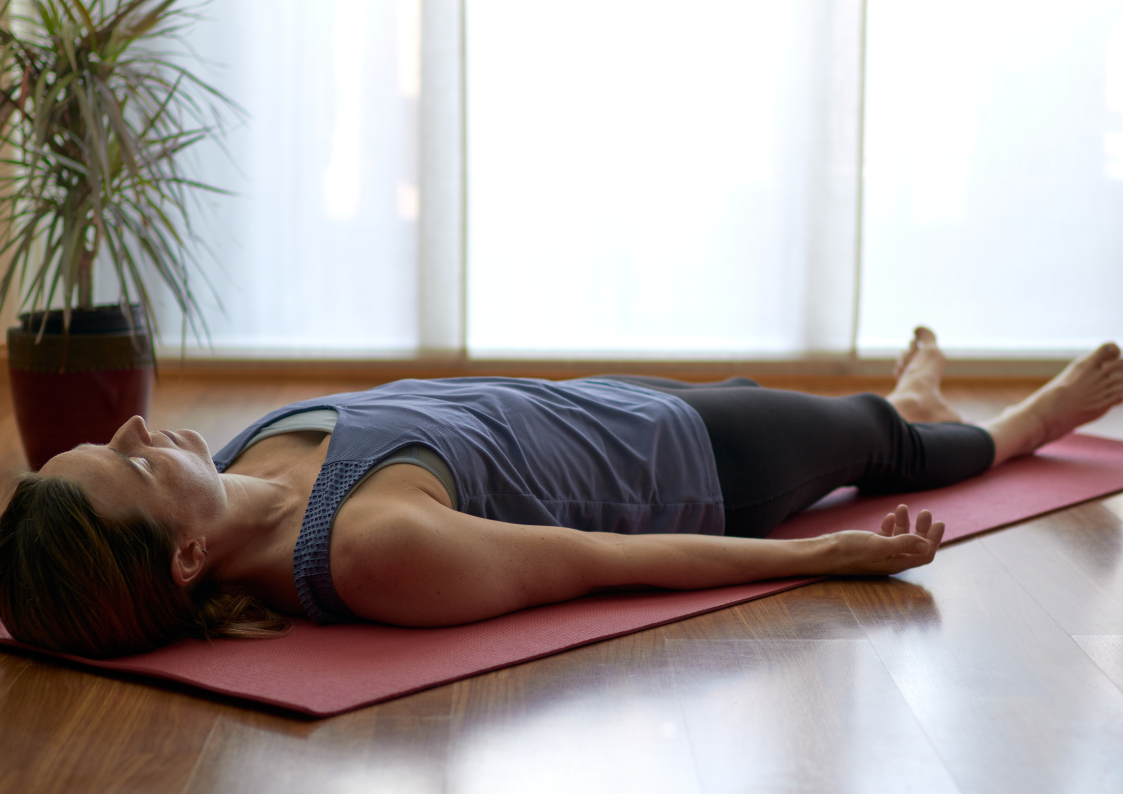
The practice of Yoga Nidra teaches conscious relaxation, helping the body relearn how to enter rest with ease. It supports deeper rest and strengthens natural cycles of renewal by gently retraining the nervous system to recognise stillness as safe and nourishing.
Yoga Nidra serves two functions. Firstly, it removes fatigue and revitalises the body. Secondly, it releases mental and emotional tension from the subconscious mind. Clearing away thoughts, reactions, and emotional residues while letting go of any accumulation.
Learning Intelligent Rest
When your body is well rested, your mind responds differently to life. The nervous system is not in a state of constant vigilance. The emotional centres of the brain ease out threat-scanning, everyday challenges feel more manageable, and emotional recovery happens with less effort.
Your hormones rely on rest to remain balanced. Today, most people use up cortisol as quickly as their bodies can produce it. When true rest is missing, cortisol remains elevated, leaving the system overstimulated yet depleted. This interferes with relaxation, deep sleep, and emotional regulation.

As rest becomes more consistent and intelligent, something subtle but profound shifts. There is more space between a feeling and a reaction. The mind is clearer, the emotions don’t overwhelm you, and you respond from awareness rather than habit. This is not about suppressing emotions or controlling the mind, but about restoring balance.