Fertility is often spoken of as a woman's journey, but the path to conception is equally shaped by the man. Learn more about the Ayurvedic perspective...
Fertility is often spoken of as a woman's journey, but the path to conception is equally shaped by the man. In Ayurveda, male fertility is understood as the expression of a man's total wellbeing: his nourishment, his digestion, his emotional steadiness, the quality of his sleep, and the harmony of his daily life. When these are in balance, the body naturally creates the conditions for new life to flourish.
Shukra Dhatu: The Essence of Vitality
Ayurveda explains male reproductive health through the concept of Shukra Dhatu, the most refined of the seven body tissues (dhatus). This tissue is not formed directly; it is the final product of a long process in which food is digested and transformed, layer by layer, through all the preceding tissues: plasma, blood, muscle, fat, bone, and nerve. When each of these is well-nourished, the body can produce Shukra.
According to classical Ayurvedic text, a male with excellent Shukra possesses certain physical and mental qualities such as:
A strong physique
Steady energy
Emotionally stable
Clear mind
Strong immunity
Healthy libido
What this description reveals is that fertility is not a separate category of health, but a reflection of overall wellbeing.
Rhythms, Timing, and the Body's Intelligence
Male reproductive health follows biological cycles. Modern science confirms what Ayurveda has long observed: testosterone peaks in the early morning hours, and deep, restorative sleep is essential for hormonal recovery and sperm formation. The body is not a machine running at constant output; it is a system controlled by rhythm.
The practice of Dinacharya (daily routine) honours these rhythms. Ayurvedic guidance recommends sexual activity after digestion is complete, in a relaxed and unhurried state, with adequate rest. This allows the body to replenish Shukra and Ojas, the subtle essence of immunity and vitality.
Male reproductive capacity begins at puberty, but optimal fertility lies between the ages of 25 and 40, when testosterone levels and sperm motility are at their strongest. Ayurvedic texts state that the window of fertility is from age 20 to around 70, but the most potent phase is in the middle years. A gradual decline begins from the late forties onward. Understanding these phases allows for informed, timely care.
Vajikarana: The Ayurvedic Science of Reproductive Enhancement
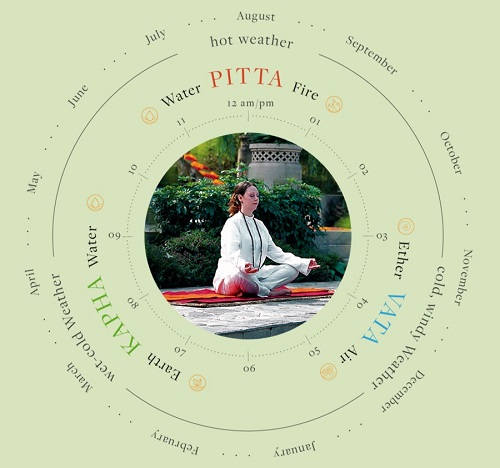
Ayurveda offers a dedicated branch of medicine for enhancing reproductive vitality: Vajikarana. Vajikarana is a personalised approach, addressing a man's individual constitution (Prakriti), age, current season, and the environment he lives in.
It stands on the pillars of nourishment, lifestyle, herbal support, and purification, as discussed below:
Diet
Diet plays a foundational role. Foods that build Shukra Dhatu include warm, freshly cooked meals; milk and milk preparations; ghee; nuts; dates; sesame; and wholesome grains. They are deeply nourishing foods that support the tissue-building process from which Shukra is ultimately formed. Processed foods, excessive spice, alcohol, and erratic eating habits all disrupt this process.
Lifestyle choices
One’s lifestyle can either preserve or deplete reproductive vitality. Adequate and consistent sleep is one of the most important factors to consider while preparing for fatherhood. Equally important is emotional balance. Chronic stress elevates cortisol, which directly suppresses testosterone and disrupts sperm production. Moderate, regular exercise supports circulation and hormonal health, while exhaustion and overexertion have a counterproductive effect.
Herbs and formulations
Vajikarana prescribes herbs and formulations that have undergone millennia of study and refinement. Ashwagandha is among the most beneficial, supporting testosterone levels, sperm quality, and stress resilience simultaneously. Kapikacchu provides natural L-DOPA and supports dopamine pathways linked to libido and mood. Gokshura enhances urogenital strength and hormonal balance. Shatavari, though widely associated with women's health, supports the male reproductive system as well. Safed Musli is a classic Vajikarana herb known for its nourishing and vitalising properties. These herbs are most effective when prescribed individually, according to constitution and need, rather than taken as generic supplements.
Panchakarma
Ayurveda's classical cleansing and rejuvenation therapies complete the Vajikarana process. By clearing accumulated toxins (ama) from the channels and tissues, Panchakarma strengthens the body's capacity to absorb nourishment, restoring the very foundation on which Shukra is built.

Beginning the Preparation
The optimal time to begin preparing for fertility is approximately three months before the intended conception. This aligns with the biological cycle of sperm maturation, which takes roughly 74 days from formation to full development.
This timeline is an invitation, not a burden. An invitation to eat more intentionally, sleep more restoratively, manage stress more wisely, and live with greater harmony. The effort is not only for conception but also for the vitality, immunity, and emotional health that a child will carry in the world.
Fertility, in the Ayurvedic view, is the natural outcome of a life well lived. When the body is nourished, the mind is settled, and the rhythms of daily life are honoured, the reproductive system expresses itself with strength and ease.
To learn more about Ananda's Fertility Enhancement programme,
click here